blogs 2025
Featured
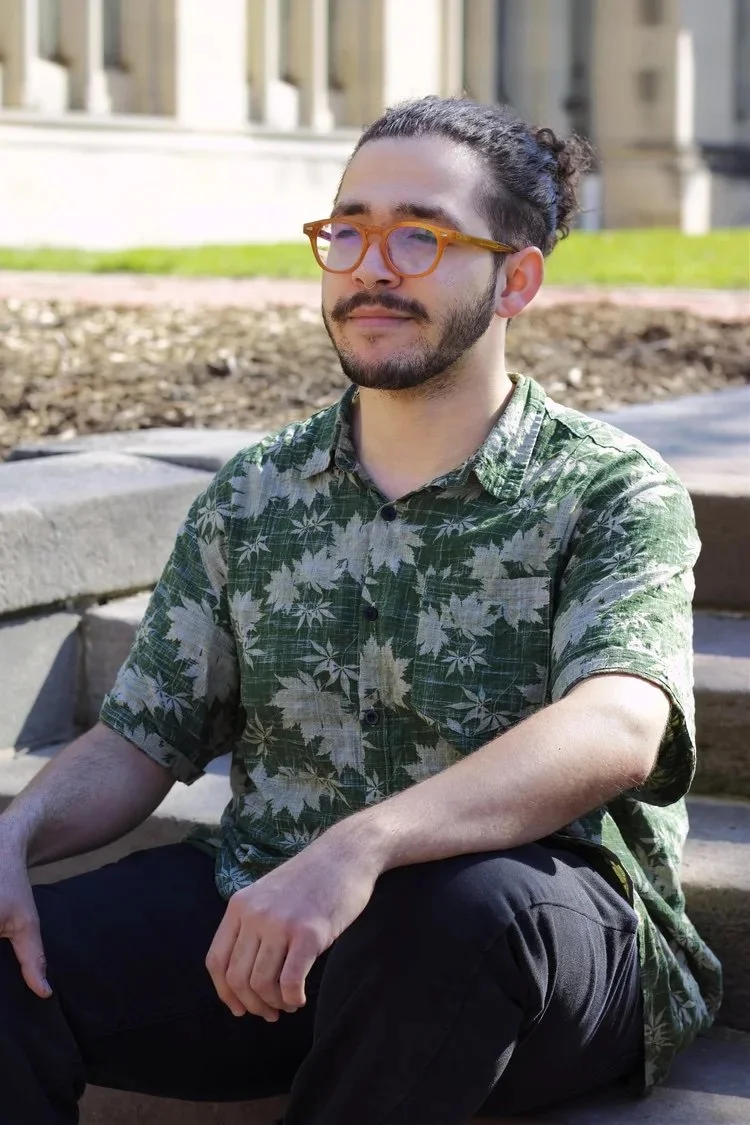

written by Isaac Santos
“What kind of life do you want to live?” is a question frequently posed by Gabriela during the 2024 residency, and one I now frequently ask myself. Even after prolonged thought, I am not sure; I do not know.
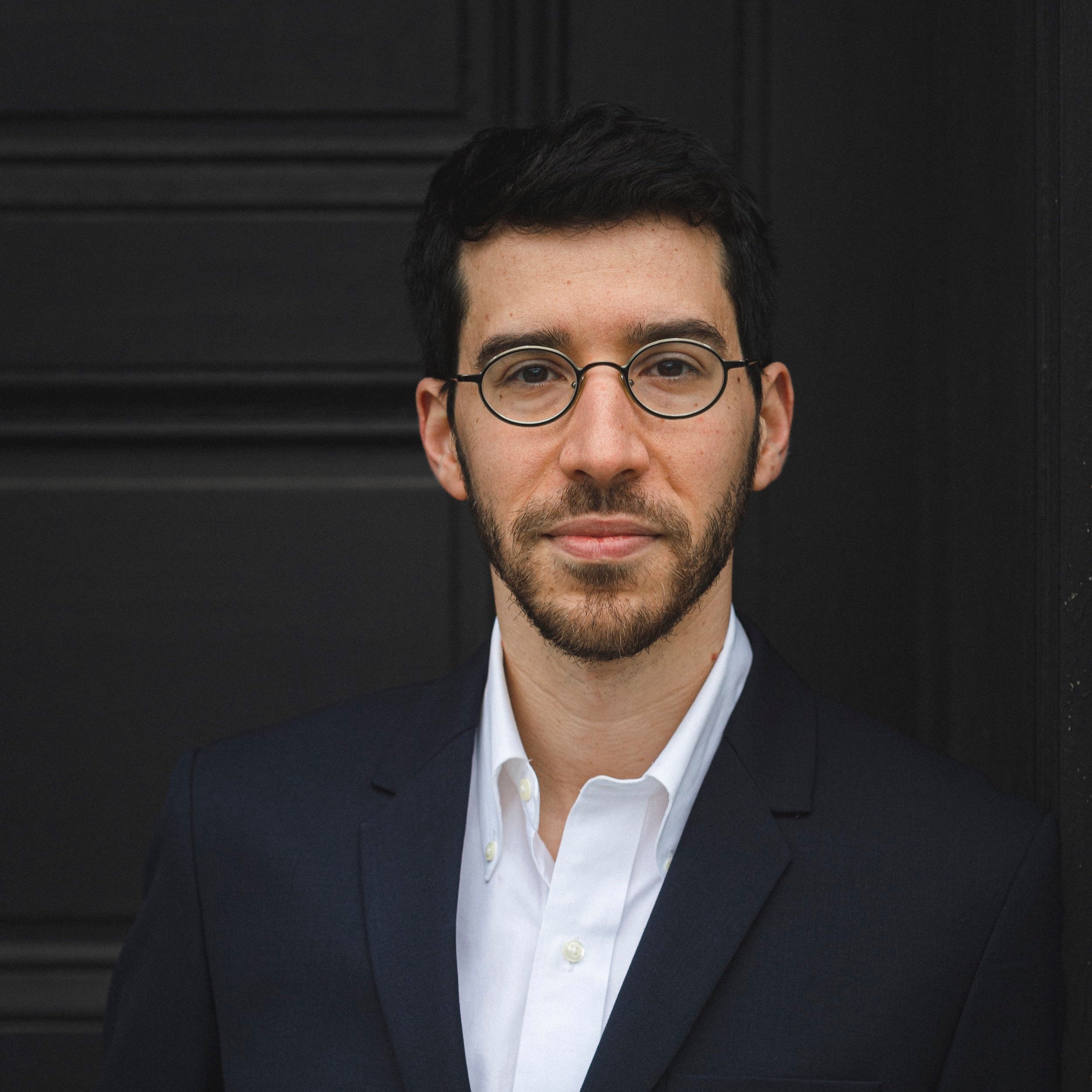
written by Udi Perlman
This idea of a toolkit brings me back to the Hebrew word for workshop, sadná, which comes from sadán (סַדָּן), meaning anvil. This image resonates with me: the musical idea as a bulky piece of metal that you hammer like a blacksmith into shape. It reflects an artisanal approach to composing, one that focuses on craftsmanship over the sanctity of one particular musical idea. It’s as if, through workshopping, you’re saying, “Don’t be so precious about your ideas; it’s just a chunk of metal—hit it hard enough in the right way, and something good will come out.”
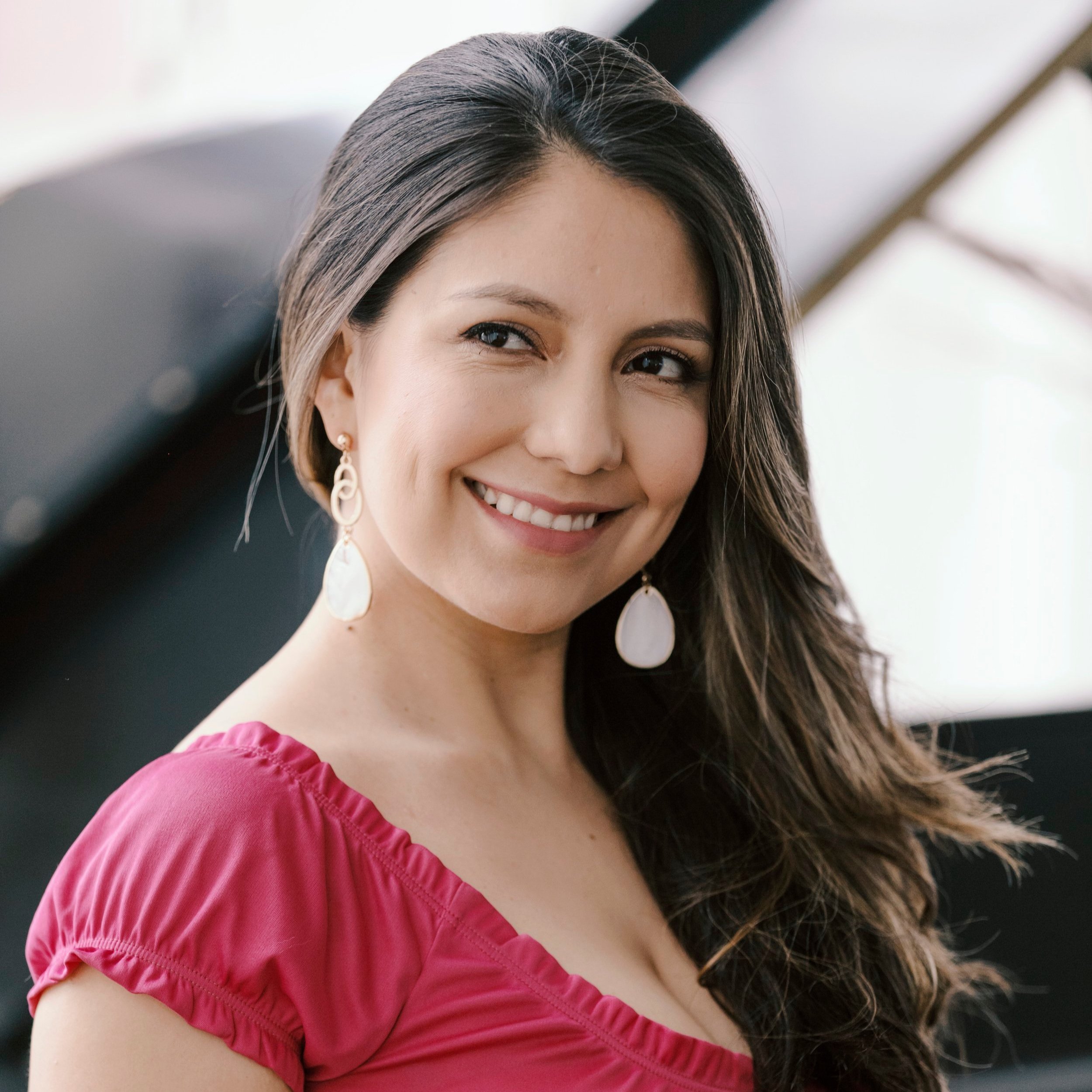
written by Carolina Calvache
In front of my parents’ home stands a beautiful, towering tree. As I raked the fallen leaves, I picked one up and examined it as if it were something mysterious and precious. I reflected on its life cycle—starting vibrant and green, then turning golden before fading into brown. I began asking myself: why do we admire trees when they bear fruit and bloom but often overlook them when their leaves no longer flourish? I imagined trees as silent witnesses to human creation and destruction, holding whispered echoes of past seasons—stories of love, joy, and injustice. That day was a revelation. I started thinking metaphorically, and suddenly, I had my concept. The image of fallen leaves and their cycle of life became the foundation for my composition.
written by Oswald Huỳnh
To be Vietnamese American is to be a contradiction; a life and identity born from war. Part of the diasporic experience is to exist between disparate cultures. Constantly in a state of translation, many speak a language of the colonizers and a language of the colonized.